
What Is a Demand Charge and Why Is It So Expensive?
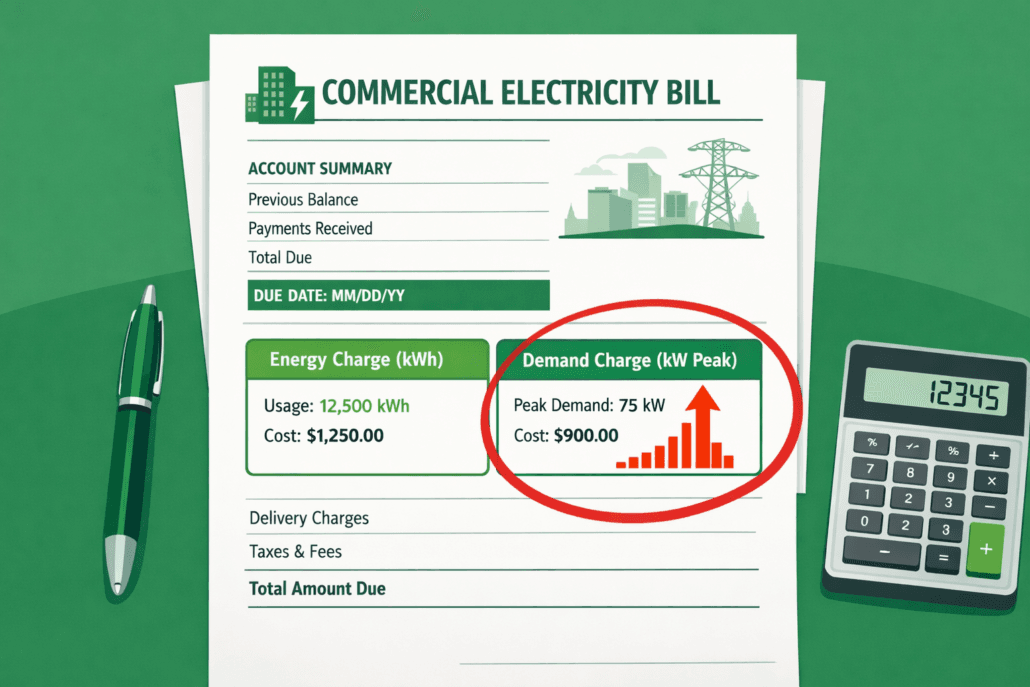
Your electricity bill has two main parts. One charges you for how much energy you use. The other — the demand charge — charges you for how fast you use it.
In fact, this fee can make up 30–70% of a commercial electricity bill. However, most business owners have never had it explained clearly.
In this guide, you will learn what a demand charge is, why it is so expensive, and how to reduce it — in India and globally.
What Is a Demand Charge?
A demand charge is a monthly fee based on the highest amount of power your business draws at any single point during the billing period.
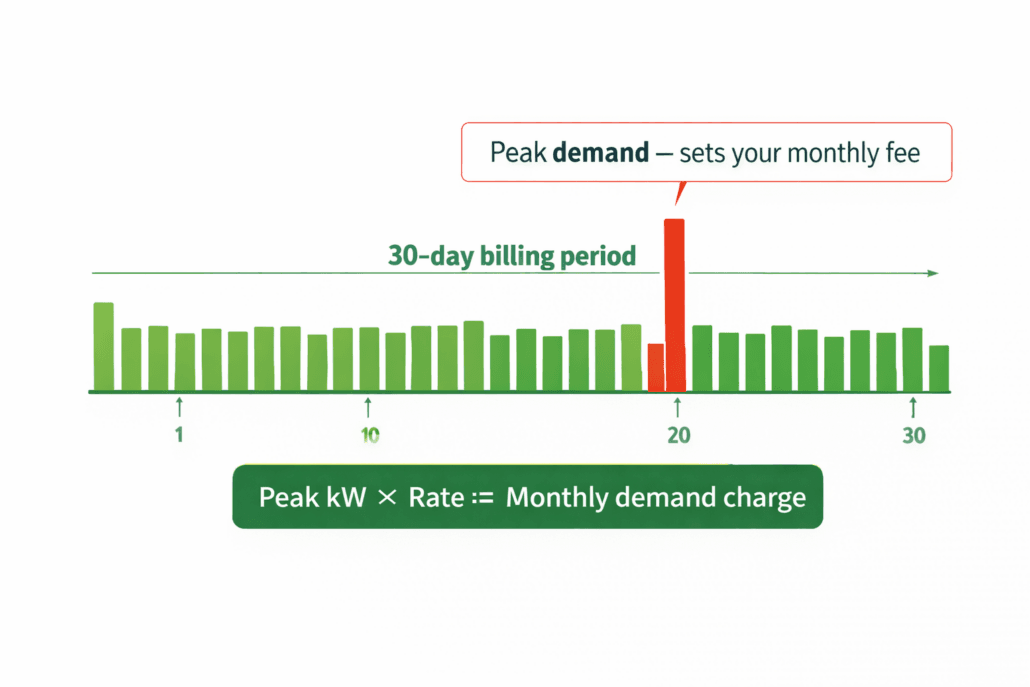
Utilities measure your power use every 15 minutes. The single highest reading — in kilowatts (kW) — sets this fee for the whole month.
Think of it this way. Imagine a highway toll based on your fastest speed — not total distance. Even if you hit that speed just once, you pay the premium for the whole trip.
That means cutting total energy use will not lower this cost alone. You need to control your power peaks.
Energy Charge vs Demand Charge
Most electricity bills have two main cost components. It helps to understand both.
| Energy Charge | Demand Charge | |
| Measures | Total kWh used over the month | Highest kW in any 15-min window |
| Analogy | Total distance driven | Fastest speed driven |
| Bill share | 30–60% | 30–70% |
| How to cut | Use less electricity overall | Flatten or avoid power spikes |
As a result, these two costs need very different solutions. Switching off lights helps with energy charges. However, to cut the peak-based fee, you need to manage power spikes directly.
Why Is a Demand Charge So Expensive?
Utilities apply a demand charge to recover the cost of grid infrastructure. They must build enough capacity to serve your worst-case power need — even if that peak happens just once.
For example, if your factory peaks at 800 kW for 15 minutes, the utility must maintain cables, transformers, and substations capable of delivering 800 kW. That infrastructure is expensive.
Because of this, you pay for that capacity all month — even if you never spike again. One bad moment on one day sets your cost for 30 days.
A Simple Cost Example
| Global Example A factory peaks at 600 kW. The utility charges $12/kW per month. Monthly fee = 600 x $12 = $7,200. If the factory had kept its peak to 400 kW, it would save $2,400 every single month. |
| India Example — Maharashtra (MSEDCL) A factory has a contracted Maximum Demand of 500 kVA. The DISCOM charges Rs 350/kVA/month. Monthly MD charge = 500 x Rs 350 = Rs 1,75,000. If the factory exceeds 500 kVA even once, a penalty of 1.5x to 2x applies on the excess. |
How Demand Charges Work in India
In India, this fee appears as a Maximum Demand (MD) charge on bills from state DISCOMs. The rules are similar to global practice. However, the Indian tariff system has some unique features businesses should know.
Contracted MD and the Minimum Billing Rule
When you apply for a commercial or industrial electricity connection, you declare a contracted MD. This is the peak power level you expect to draw.
Importantly, many DISCOMs charge you for the higher of your actual peak or 75–85% of your contracted MD. As a result, businesses often pay for capacity they never use.
Penalties for Exceeding Contracted MD
If your actual peak goes above your contracted MD, a penalty applies. It is typically 1.5x to 2x the standard MD rate for the excess amount.
In addition, many states now have Time of Day (ToD) tariffs. These apply higher rates during peak grid hours — usually 6 PM to 10 PM. So a spike during that window costs even more.
| State Rates Vary Across India Maharashtra (MSEDCL) charges in Rs/kVA/month with ToD multipliers. Gujarat (UGVCL/DGVCL) has separate peak and off-peak rates. Tamil Nadu (TANGEDCO) uses seasonal adjustments. Always check your state DISCOM’s latest tariff order for current figures. |
Which Industries Are Affected Most?
In fact, this cost affects almost all commercial and industrial users. However, some sectors feel the impact more than others.
| Industry | Typical Share of Bill | Main Cause of Peaks |
| Data Centers | 50–70% | Sudden cooling surges and continuous high loads |
| Manufacturing | 40–60% | Heavy machinery startups during shift changes |
| Hospitals | 30–50% | 24/7 operations with imaging and HVAC spikes |
| Cold Storage | 35–55% | Compressor cycles causing frequent short peaks |
| Retail / Malls | 25–40% | HVAC and lighting peaks during business hours |
| Offices | 20–35% | Morning startup and afternoon cooling peaks |
Therefore, businesses in these sectors have the most to gain from actively managing their peak power use.
How to Reduce Demand Charges for Your Business
There are three proven ways to reduce this cost. Most businesses get the best results by combining two or more of them.
1. Peak Shaving with Battery Storage
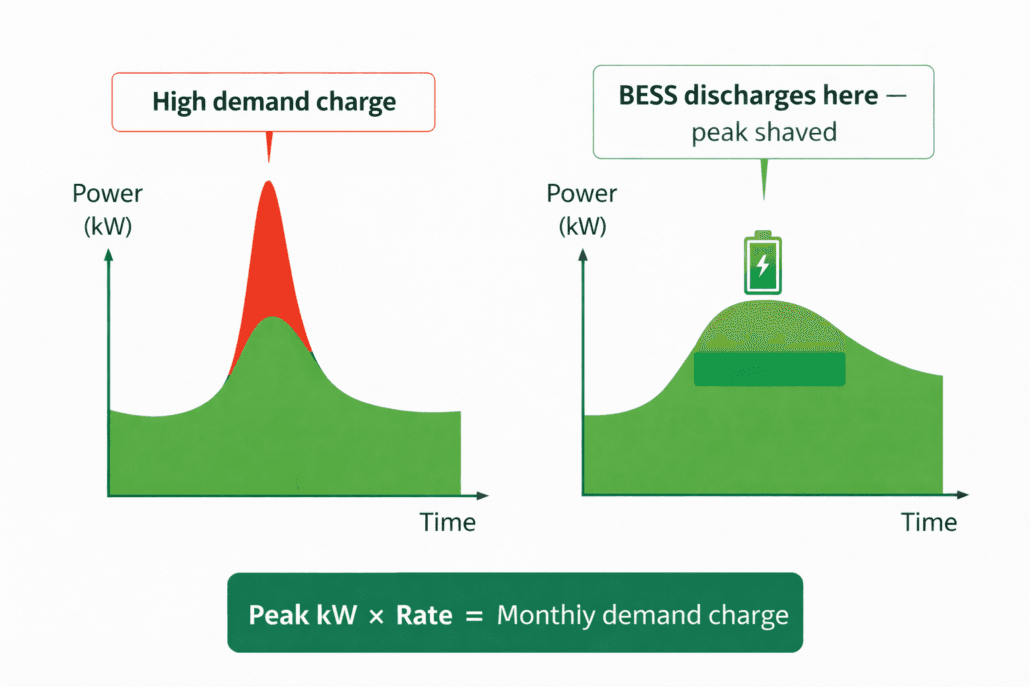
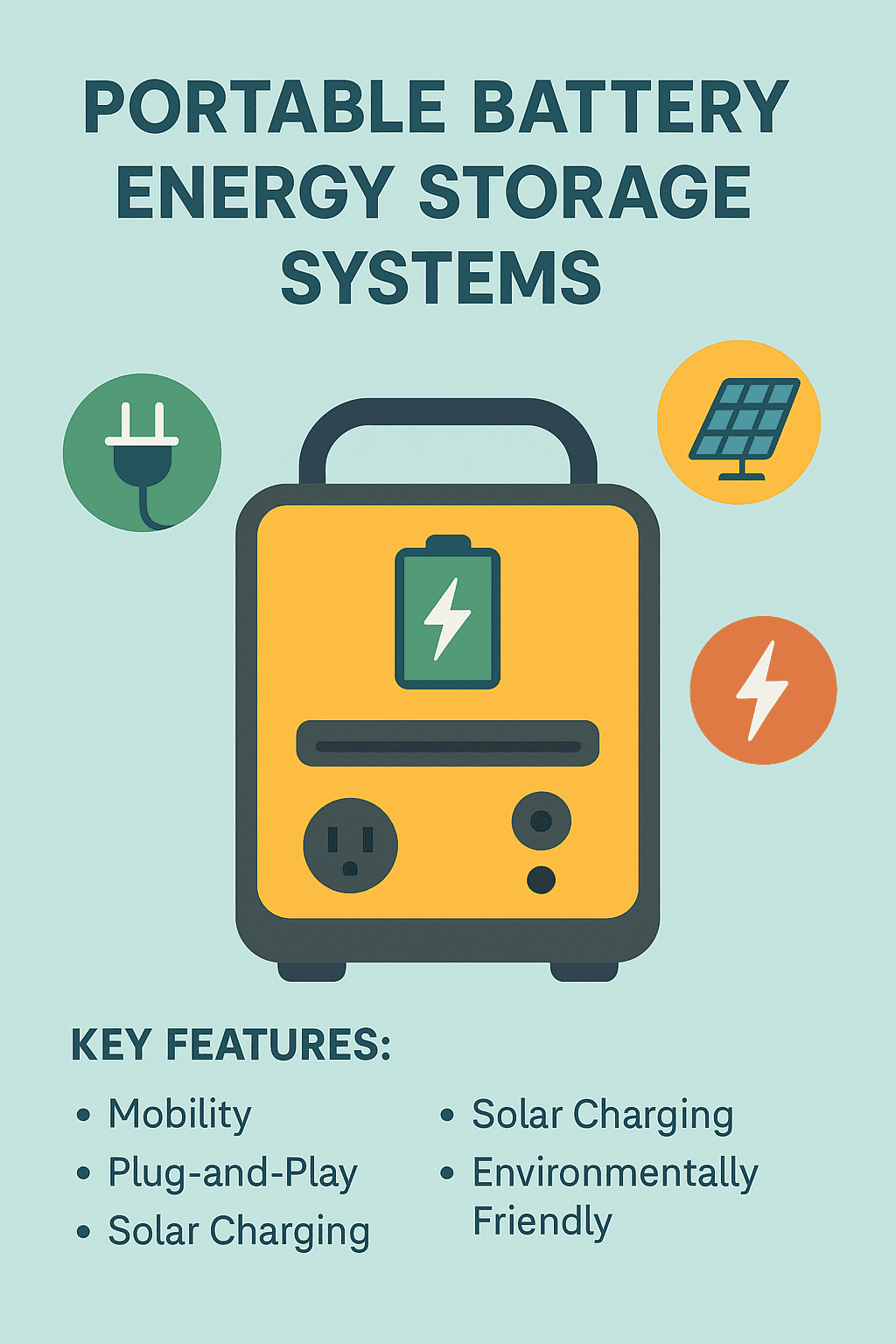
Peak shaving is the most effective way to cut a demand charge. A Battery Energy Storage System (BESS) charges during quiet periods. It then discharges automatically during power peaks. As a result, it flattens your load curve and lowers your recorded peak kW.
A well-sized BESS can reduce this fee by 20–40%. Payback periods are typically 4–6 years.
For a full breakdown, read our guide on C&I BESS peak shaving and how it cuts demand charges.
2. Load Shifting to Off-Peak Hours
Load shifting means moving energy-heavy tasks — like production runs or EV charging — to off-peak hours. This avoids creating spikes during the window that sets your monthly peak.
However, load shifting alone is less powerful than battery storage. It works best as a low-cost first step, or combined with BESS.
See our comparison of peak shaving vs load shifting to decide which suits your facility.
3. Solar Combined with Battery Storage
Solar panels alone have limited impact on this fee. Peaks often occur in early morning or evening — outside solar generation hours.
On the other hand, solar combined with a BESS works very well. The battery stores solar energy during the day. It then discharges during peak windows at any time of day.
Learn more in our guide on how peak shaving reduces energy costs for businesses.
Frequently Asked Questions
Q: Is a demand charge the same as an energy charge?
A: No. An energy charge is based on total kWh consumed. A demand charge is based on your highest kW in any 15-minute window. You could use little energy overall but still face a high fee if you had one large power spike.
Q: Can a small business be affected by this fee?
A: Yes. Many utilities — including Indian DISCOMs — apply it to businesses above a threshold, sometimes as low as 10–20 kW. Check your bill or tariff category to confirm whether MD charges apply to your connection.
Q: How is the demand charge calculated in India?
A: In India, DISCOMs apply MD charges in Rs/kVA or Rs/kW per month. If your actual peak exceeds your contracted MD, a penalty of 1.5x to 2x the MD rate typically applies on the excess. Rates vary by state and tariff category.
Q: What is the fastest way to reduce this cost?
A: The fastest and most effective method is peak shaving using a BESS. It discharges during peak windows, flattening your load curve automatically. Combined with solar and load shifting, most C&I businesses can save 30–50% on this fee.
Q: Do solar panels help reduce a demand charge?
A: Solar panels alone have limited impact because peaks often fall outside solar hours. However, solar combined with a BESS is very effective. The battery stores solar energy and releases it during peaks — at any time of day.
Sources and Further Reading
The data and benchmarks in this article are drawn from:
U.S. Department of Energy — Demand Charges: What They Are and How They Impact Your Facility
Central Electricity Regulatory Commission (CERC) — Indian Electricity Tariff Orders
Conclusion
A demand charge is one of the biggest hidden costs in any commercial electricity bill. One 15-minute spike can set your fee for the entire month — in India and globally.
However, this cost is manageable. With battery storage, load shifting, and solar, most businesses can cut it significantly.
The first step is understanding what drives the spike. The second is acting on it.
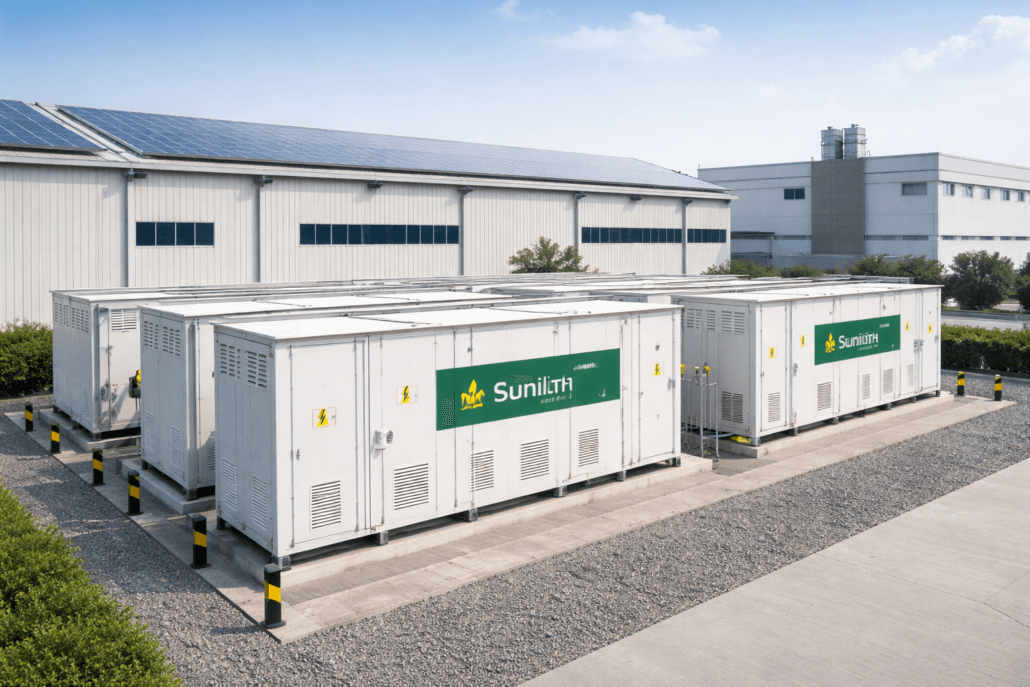
| Ready to Cut Your Demand Charges? Sunlith Energy designs custom C&I battery storage systems for businesses across India. Get a free demand charge analysis and find out exactly how much your facility could save. Talk to an expert today. |
Related Articles
- C&I BESS Peak Shaving: Cut Demand Charges by Up to 35%
- Peak Shaving vs Load Shifting: Which Saves Your Business More?





Leave a Reply
Want to join the discussion?Feel free to contribute!