Community Energy Resilience: The world is entering a period of unprecedented energy challenges. From extreme weather events to increasing energy demand and rising grid failures, communities everywhere are asking the same question: How can we secure reliable, affordable, and clean energy for the future?
The answer lies in community energy resilience—the ability of local energy systems to withstand disruptions and bounce back stronger. A key driver of this resilience is the rise of Virtual Power Plants (VPPs), which integrate renewable energy sources, battery energy storage, and smart software into a flexible, resilient network.
In our previous blog on Virtual Power Plants, we explored their role in transforming global energy systems. In this follow-up, we dive deeper into how VPPs are empowering communities and making resilience a reality.
What Is Community Energy Resilience?
Community energy resilience means ensuring that local households, businesses, and critical facilities can maintain power during disruptions—whether caused by natural disasters, cyberattacks, or unexpected grid failures.
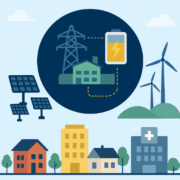
Instead of being entirely dependent on centralized power plants, resilient communities build local energy independence using:
This combination ensures essential services like hospitals, schools, and emergency centers remain operational, even when the central grid fails.
💡 In short: Community energy resilience = energy security + sustainability + independence.
Why Energy Resilience Matters Now More Than Ever
The urgency for resilience is being driven by global trends:
- Climate Change and Extreme Weather – Hurricanes, heatwaves, and floods cause frequent blackouts.
- Aging Infrastructure – Traditional grids, built decades ago, struggle with modern demands.
- Cybersecurity Risks – Power grids are increasingly vulnerable to cyberattacks.
- Rising Energy Demand – With the growth of EVs, digital devices, and industrial automation, energy systems face unprecedented loads.
Without resilience, communities risk prolonged outages, economic losses, and social disruption.
How Virtual Power Plants Support Community Energy Resilience
A Virtual Power Plant (VPP) is a digital platform that aggregates distributed energy resources (DERs)—like rooftop solar, home batteries, EV chargers, and smart appliances—and orchestrates them as if they were one large power plant.
When applied to communities, VPPs enhance resilience by:
- ⚡ Balancing supply and demand instantly, even during sudden surges.
- 🔋 Storing surplus energy in batteries and releasing it when needed.
- 🏥 Prioritizing critical loads, ensuring hospitals, schools, and emergency services remain powered.
- 🌐 Islanded operations, allowing communities to disconnect from the central grid and run independently when necessary.
- 🕒 Faster recovery, restoring electricity more quickly after disruptions.
This makes VPPs the digital backbone of resilient communities.
The Central Role of Battery Energy Storage in Resilience
While renewable generation provides clean energy, it is intermittent—the sun doesn’t always shine, and the wind doesn’t always blow. Battery Energy Storage Systems (BESS) are the game-changer that unlock resilience.
Key Benefits of BESS in Resilience:
- Energy Shifting – Store energy when renewable production is high and use it later.
- Backup Power – Keep critical systems running during outages.
- Frequency Regulation – Stabilize voltage and frequency to protect local equipment.
- Decentralized Independence – Reduce reliance on fragile central grids.
Without BESS, communities cannot achieve true energy resilience. With it, they gain energy security, flexibility, and reliability.
Case Example: A Coastal Town Using VPPs for Resilience
Imagine a coastal community that faces frequent storms. Traditionally, each outage would leave residents without power for days.
By deploying a Virtual Power Plant with local solar panels, residential batteries, and commercial-scale storage, the town can:
- Pre-charge batteries before storms.
- Prioritize electricity for hospitals and shelters.
- Keep traffic lights and communication systems running.
- Reconnect seamlessly to the main grid once stability is restored.
This real-world model shows how VPPs turn vulnerable communities into self-reliant energy hubs.
Business and Community Benefits of Energy Resilience
Building community resilience is not only about protection—it also brings significant long-term benefits:
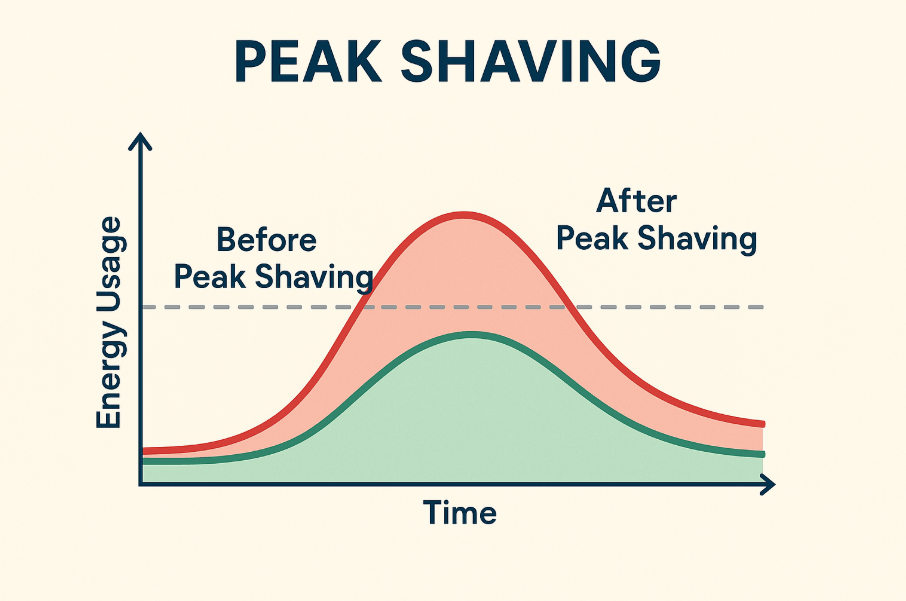
- Lower Costs – By reducing peak demand, communities cut electricity bills.
- Revenue Opportunities – Stored energy can be sold back to the grid or shared within the community.
- Sustainability – Reduced dependence on fossil fuels lowers emissions.
- Attractiveness for Investment – Resilient communities attract businesses and residents.
- Peace of Mind – Security knowing that power supply is reliable, even in emergencies.
Linking Resilience to the Energy Transition
Community energy resilience aligns perfectly with the global energy transition. Instead of top-down, centralized systems, the future is:
- Decentralized – Local generation and storage reduce stress on central grids.
- Digital – Smart software platforms optimize resources in real-time.
- Sustainable – Renewable energy replaces carbon-heavy fuels.
- Participatory – Communities become active players in energy markets, not just consumers.
By adopting Virtual Power Plants, communities are not only protecting themselves—they’re contributing to the broader goal of a cleaner, smarter, and more resilient energy future.
Conclusion
As climate change and grid challenges intensify, community energy resilience is no longer optional—it’s essential. Virtual Power Plants, powered by battery energy storage and intelligent software, provide the tools communities need to thrive in uncertain times.
From ensuring hospitals have backup power to enabling neighborhoods to trade energy locally, VPPs are redefining how societies interact with energy.
👉 Want to understand how VPPs work at the technical level? Don’t miss our earlier blog: Virtual Power Plants: Redefining the Future of Energy Systems
Together, these posts form a complete guide on how innovation, storage, and digitalization are reshaping the global energy landscape.