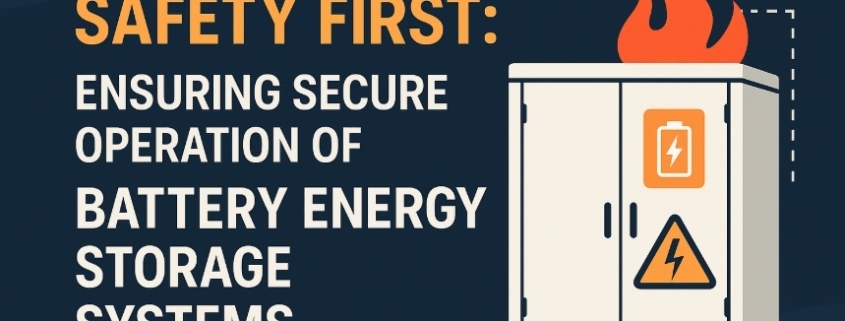
Battery Energy Storage System Safety is more important than ever. As energy storage becomes critical for renewable energy, businesses must put safety first. This guide will show you how to ensure your battery energy storage system operates securely, efficiently, and without risk to people or property.
Why Battery Energy Storage System Safety Matters
Battery energy storage system safety is the backbone of any reliable storage project. When you install large energy storage units, they hold massive energy. If the system is poorly designed or operated, it can lead to fires, explosions, or system failures. By making safety a priority, you protect people, equipment, and your investment.
Understand the Risks: Thermal Runaway and Fire Hazards
One major safety concern is thermal runaway. This happens when a cell overheats, triggering a chain reaction that leads to fire or explosion. Battery energy storage system safety means you must know what causes thermal runaway. Common causes include overcharging, poor cooling, and internal cell faults.
To prevent this, choose batteries with built-in protections. Good battery management systems (BMS) monitor each cell’s temperature, voltage, and state of charge. Always use reputable manufacturers who provide test reports for the complete battery system — not just individual cells.
Install Certified and Tested Systems
Never compromise on certifications. Certified battery systems comply with strict standards for performance and safety. Look for certifications like UL 9540 (for system safety) and UL 1973 (for stationary batteries). Battery energy storage system safety depends on verifying these certifications with every purchase.
Work with suppliers who can share test data for thermal performance, electrical protection, and fire suppression. Some buyers skip this, assuming a cell-level report is enough. It’s not! The entire battery system must be tested under real-world conditions.
Design for Safe Operation and Monitoring
Design is key for battery energy storage system safety. Plan the installation with these factors:
- Adequate spacing: Batteries must have enough room for air flow.
- Proper ventilation: Good air circulation keeps temperatures stable.
- Fire suppression: Install automatic fire detection and suppression systems.
- Emergency shutoff: Use clear disconnect switches and accessible emergency controls.
A well-designed system includes real-time monitoring. Smart BMS and EMS (Energy Management Systems) help track every parameter, sending alerts if something goes wrong.
Use Safe Installation Practices
A safe battery energy storage system starts with proper installation. Only hire qualified professionals to install and commission your system. Ensure the following:
- Connect all terminals securely.
- Use cables rated for the correct voltage and current.
- Keep high-voltage areas clearly marked.
- Ground the system properly.
Never allow untrained personnel to handle installation or maintenance. Mistakes can cause short circuits, fires, or electric shocks.
Train Your Team on Battery Energy Storage System Safety
People often overlook this step, but training is vital. Your team should understand how the system works, what to monitor, and what to do in an emergency. Create clear safety procedures for:
- Routine inspections
- Emergency response
- System shutdown and isolation
- Fire drills
Regular drills keep everyone ready to respond fast and safely.
Routine Maintenance Keeps Your System Safe
Battery energy storage system safety is not a one-time effort. You must perform routine checks to keep the system secure.
- Inspect connections for corrosion or loose fittings.
- Check temperature readings for unusual spikes.
- Test alarms, shutoffs, and fire systems.
- Update software for BMS and EMS.
Keep a log of all inspections and maintenance activities. This record helps spot trends before they become problems.
Industry Standards to Follow
Follow international standards to strengthen your battery energy storage system safety plan. Here are a few to know:
Stay updated as standards evolve. Regulations change to keep up with new battery technologies.
Best Practices for Fire Safety
Fire safety is the biggest fear in energy storage. Good design and maintenance lower the risk, but you still need an action plan.
- Place fire extinguishers and automatic suppression near battery banks.
- Use fire-resistant enclosures.
- Keep flammable materials away from battery storage areas.
- Develop an evacuation plan for staff and nearby buildings.
Choose Reliable Partners
Battery energy storage system safety starts long before installation. Choose reliable partners who supply quality products and stand by their work. Reputable suppliers will provide complete test reports, certifications, and system guarantees. Buying cheaper, uncertified products can be a big risk. Never cut corners on safety!
Keep Learning and Improving
Energy storage technologies evolve every year. Stay updated with new safety standards, new battery chemistries, and best practices. Attend training sessions, read industry reports, and join local energy associations. The more you know, the safer your system will be.
Final Thoughts: Safety First, Always
Putting battery energy storage system safety first protects your people, your business, and your bottom line. Plan carefully, choose quality equipment, follow standards, and train your team well. By doing this, you will build a system that performs reliably and safely for years to come.
✅ FAQ: Battery Energy Storage System Safety
Q1. Why is battery energy storage system safety so important?
Battery energy storage system safety is critical because these systems store large amounts of energy. Poor safety can lead to thermal runaway, fires, or explosions, putting people and property at risk.
Q2. What causes thermal runaway in battery energy storage systems?
Thermal runaway happens when a battery cell overheats and triggers a chain reaction. Common causes include overcharging, poor cooling, manufacturing defects, or damage to the cells.
Q3. How can I prevent fires in my battery energy storage system?
Use certified batteries, install fire suppression systems, ensure proper ventilation, and monitor your system with a smart BMS. Routine inspections help catch problems early.
Q4. What industry standards should I follow for battery energy storage system safety?
Key standards include UL 9540, NFPA 855, IEEE 1547, and IEC 62619. These guidelines help ensure that your battery energy storage system operates safely and reliably.
Q5. How often should I maintain my battery energy storage system?
Routine checks should happen monthly, with a thorough inspection at least once a year. Always inspect connections, test fire systems, and update your BMS software regularly.