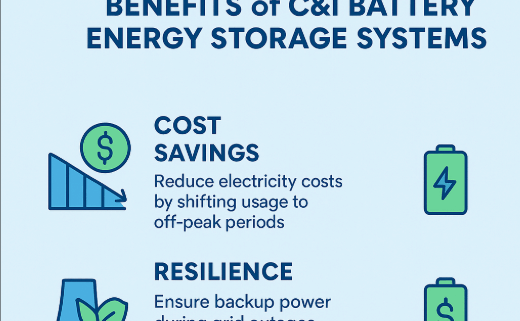
C&I BESS Benefits: The adoption of Commercial & Industrial Battery Energy Storage Systems (C&I BESS) is accelerating as businesses seek smarter energy solutions. While the technology itself is impressive, the real value lies in the benefits it brings to organizations.
From lowering energy bills to improving power resilience and supporting sustainability goals, a C&I BESS is more than just a storage system—it’s a business enabler. Let’s explore the key benefits that make C&I BESS essential for modern enterprises.
With a C&I BESS, businesses gain confidence in maintaining smooth operations even when the grid is unstable.
3. C&I BESS Benefits: Sustainability and Carbon Reduction
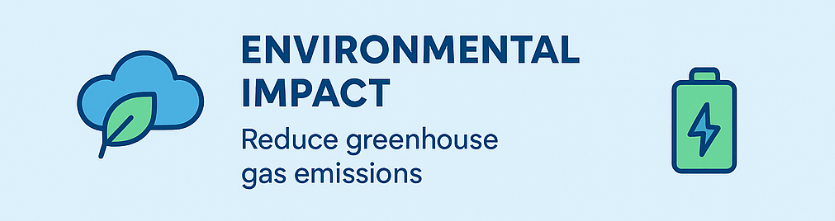
C&I BESS is a key driver of sustainability. By storing energy from renewable sources like solar or wind, businesses reduce reliance on fossil fuels and cut carbon emissions.
This not only improves environmental impact but also strengthens corporate ESG (Environmental, Social, and Governance) performance, which is increasingly important to investors and customers.
4. Revenue Opportunities
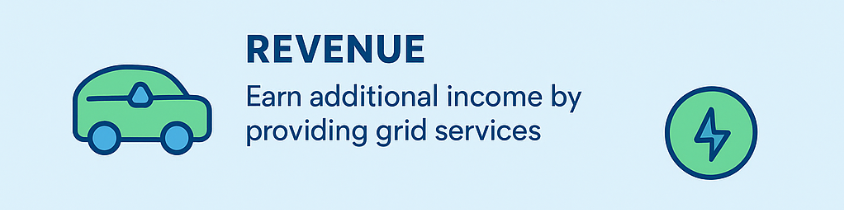
Beyond savings, a C&I BESS can generate new revenue streams. Through demand response programs, businesses can supply energy back to the grid during peak times and earn incentives from utilities.
This transforms the C&I BESS into an active energy asset that contributes to financial growth.
This benefit makes C&I BESS especially valuable for fleet operators, transport companies, and commercial charging hubs.
7. Enhanced Grid Participation
C&I BESS benefits extend beyond the facility itself. By supporting grid stability functions such as frequency regulation and voltage control, businesses contribute to a stronger, more reliable energy network.
This not only benefits utilities but also enhances the reputation of the business as a proactive energy leader.
Conclusion
The benefits of a C&I BESS go far beyond storage. From cost savings and resilience to sustainability, scalability, and new revenue opportunities, these systems offer long-term value to businesses across industries.
As energy demands grow and sustainability targets tighten, investing in a C&I BESS is not just a strategic decision—it’s a competitive advantage.
👉 Curious about real-world uses? Explore the Top Applications of C&I BESS to see how businesses are already leveraging these benefits.
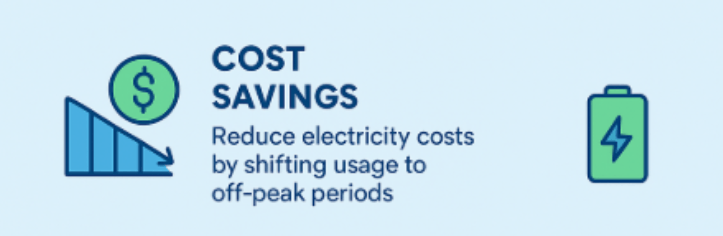
This translates to major cost savings, especially for manufacturing plants, data centers, and large commercial facilities with fluctuating power needs.
A C&I BESS enables smarter energy usage, ensuring businesses maximize cost efficiency while maintaining reliable operations.
3. Renewable Energy Integration – Unlocking Sustainability
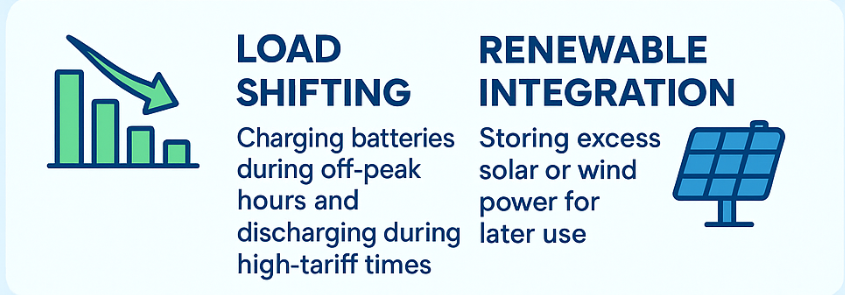
C&I BESS plays a crucial role in making renewable energy sources like solar and wind more reliable. Since renewables are intermittent, storage ensures that excess generation can be stored and used later.
This makes it easier for businesses to rely on clean energy, reduce dependence on the grid, and achieve sustainability targets.
4. Backup Power & Resilience – Business Continuity
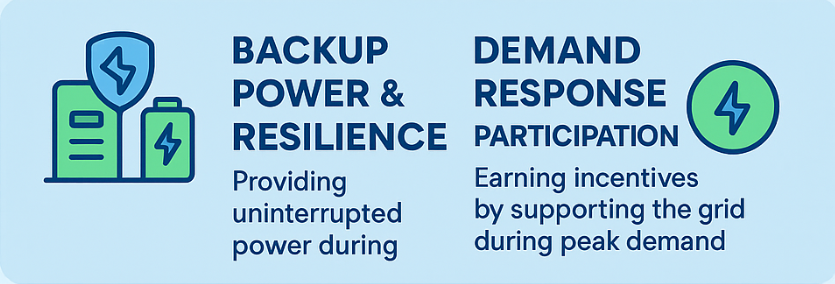
Power outages can disrupt operations, damage equipment, and cause financial losses. A C&I BESS provides backup power, ensuring continuity during grid failures.
Unlike traditional diesel generators, BESS offers silent, clean, and instant backup, making it a better long-term solution for critical facilities such as hospitals, factories, and logistics hubs.
5. Demand Response Participation – New Revenue Streams
With demand response programs, businesses can use a C&I BESS to support the grid during peak times. By discharging energy when the grid is strained, companies not only contribute to stability but also earn incentives from utilities.
This turns a C&I BESS into a revenue-generating asset, not just a cost-saving one.
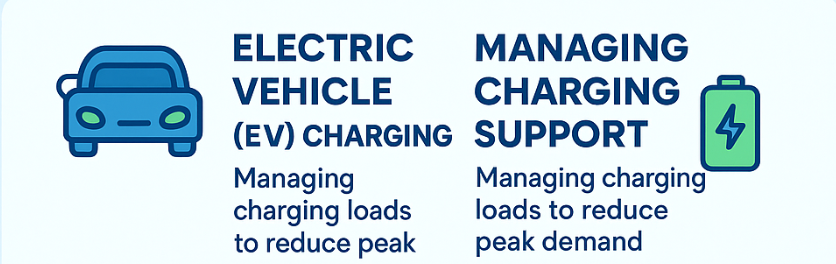
6. Electric Vehicle (EV) Charging Support – Fast & Efficient
As EV adoption grows, many businesses are installing charging infrastructure. However, fast charging requires significant power, which can strain the grid.
7. Microgrid & Grid Support – Local Energy Independence
In regions where the grid is unstable, a C&I BESS enables microgrids — self-sufficient energy systems that can operate independently.
By integrating renewables, storage, and local generation, businesses gain energy independence while also supporting grid functions like voltage regulation and frequency balancing.
Conclusion
The applications of C&I BESS extend far beyond energy storage. From peak shaving and load shifting to renewable integration, backup power, EV charging support, and microgrid participation, these systems deliver unmatched flexibility and value.
For businesses seeking to cut costs, increase reliability, and move toward sustainability, a C&I BESS is no longer optional — it’s essential.
👉 Want to understand how these applications connect to the system itself? Read our detailed guide on the Key Components of a C&I BESS.
Peak Shaving vs Load Shifting: Electricity demand is becoming increasingly dynamic as renewable energy adoption grows. Because of these changing consumption patterns, businesses and utilities must manage energy profiles efficiently to avoid high electricity costs.
Businesses and utilities must manage demand efficiently to avoid high electricity costs and maintain grid stability.
Two important strategies used in energy management are peak shaving and load shifting.
Understanding the difference between peak shaving vs load shifting helps organizations optimize energy use, reduce electricity costs, and maximize the value of battery energy storage systems.
Peak Shaving vs Load Shifting (Quick Comparison)
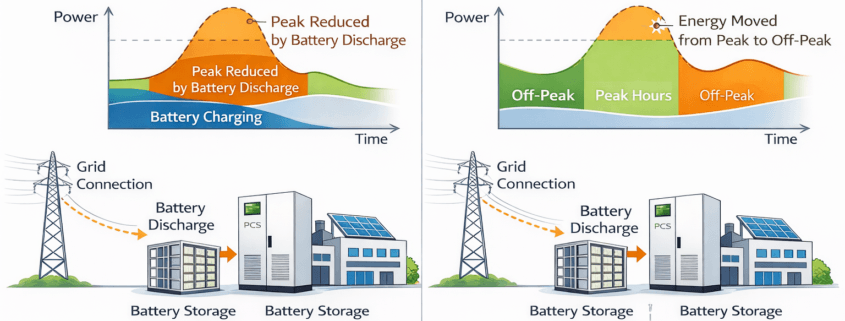
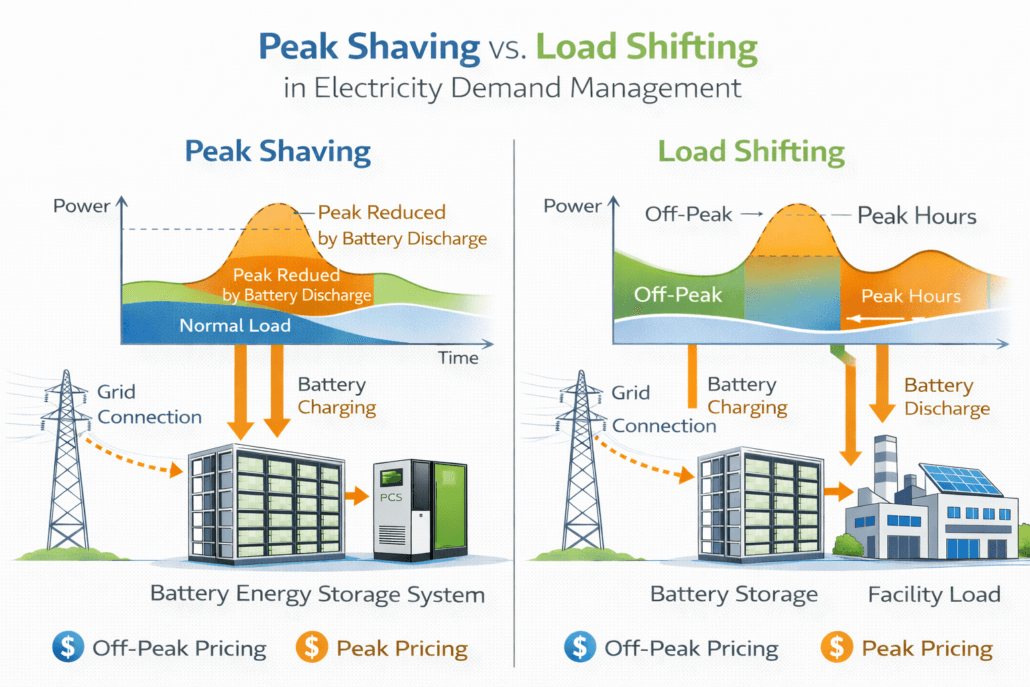
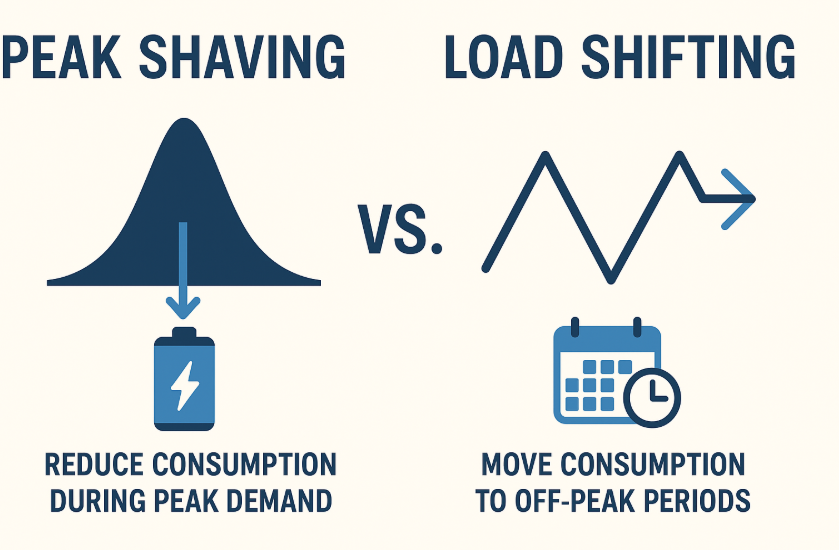
Peak shaving and load shifting are energy management strategies used to reduce electricity costs. Peak shaving lowers electricity demand during peak hours by using stored energy or reducing loads. Load shifting moves energy consumption to off-peak periods when electricity prices are lower. Many businesses combine both strategies using battery energy storage systems.
Strategy
Main Goal
Peak Shaving
Reduce demand spikes
Load Shifting
Move demand to cheaper hours
What Is Peak Shaving?
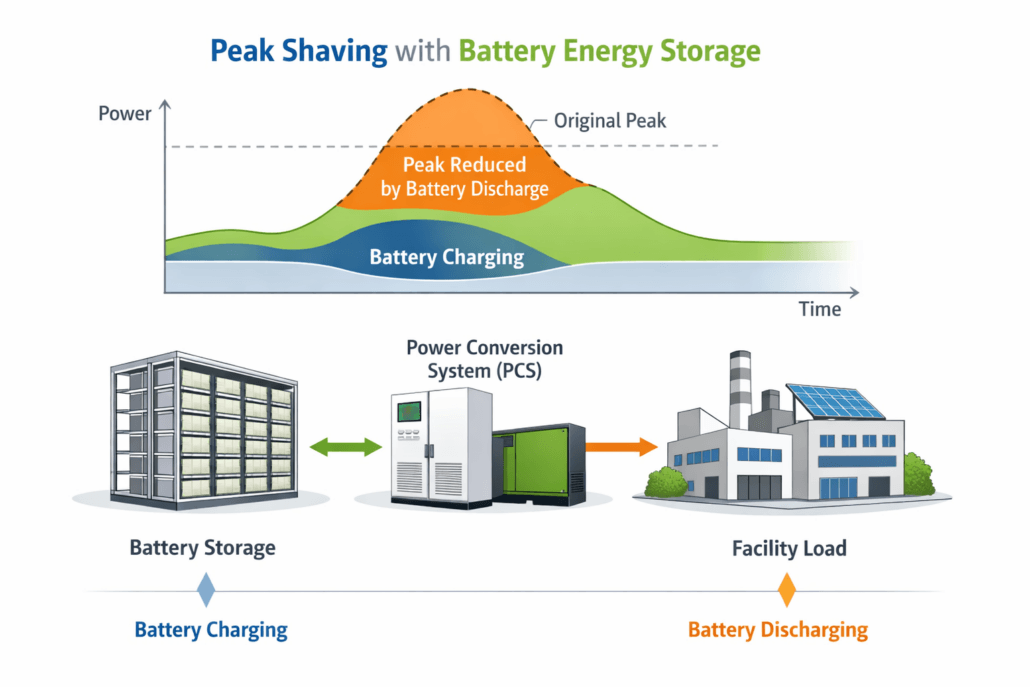
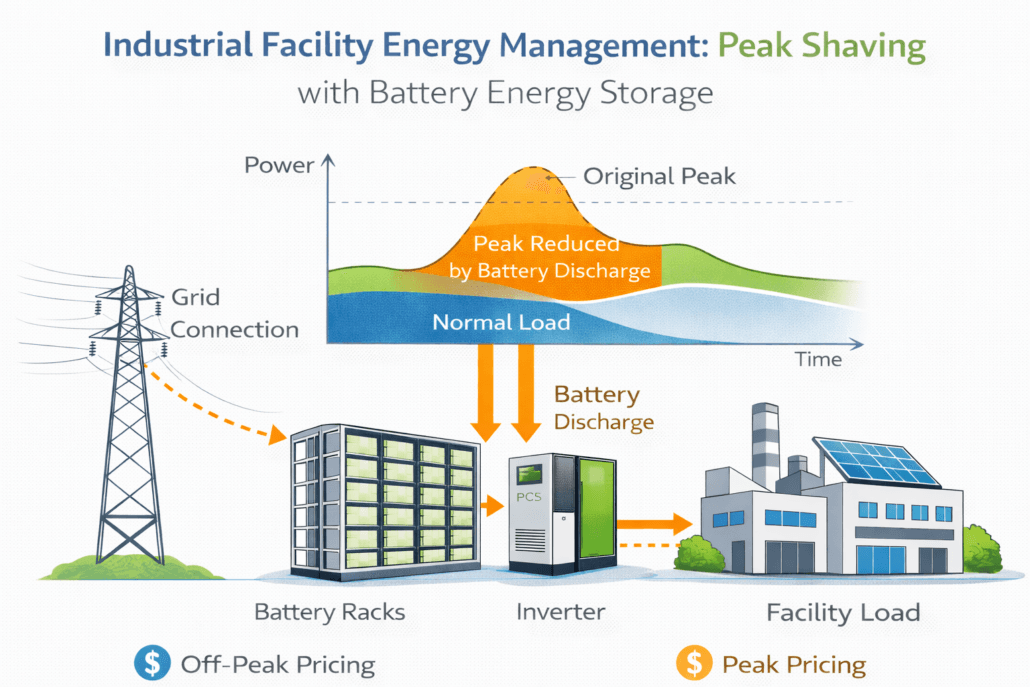
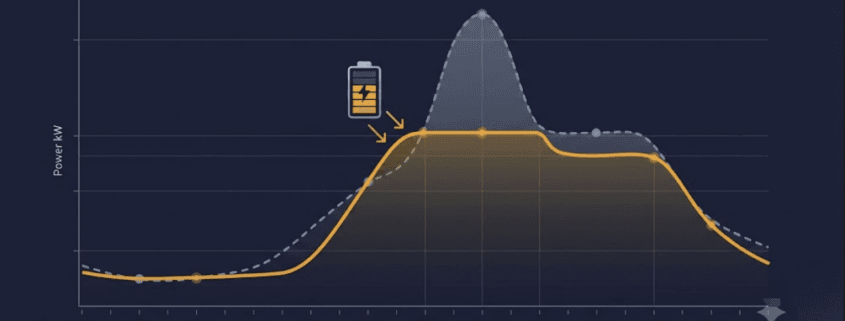
Peak shaving using battery energy storage to reduce electricity demand spikes.
Utilities often charge commercial customers based on their maximum demand (kW) during a billing cycle. These are known as demand charges.
According to the U.S. Department of Energy, demand charges can represent a significant portion of industrial electricity bills.
Peak shaving reduces this maximum demand by supplying energy from alternative sources.
Common Peak Shaving Methods
Organizations use several technologies to perform peak shaving:
Battery Energy Storage Systems
On-site backup generators
Smart energy management systems
Temporary load reduction strategies
For example, a manufacturing facility may use stored battery energy between 4 PM and 8 PM, when electricity demand is highest.
Instead of drawing power from the grid, the battery supplies electricity to the facility.
This reduces peak demand and lowers electricity costs.
What Is Load Shifting?
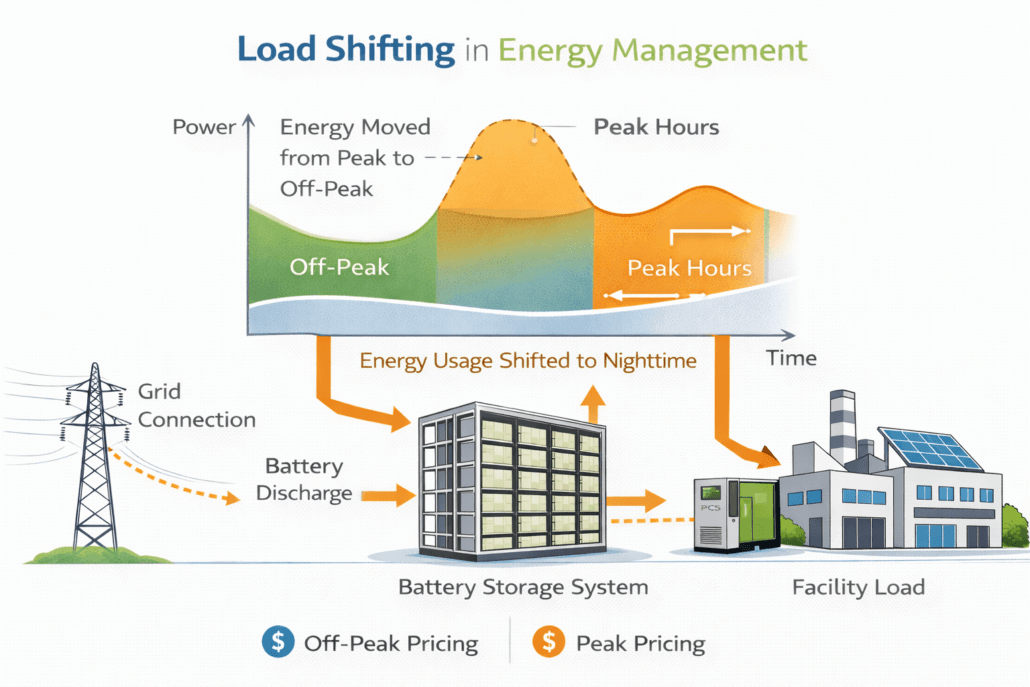
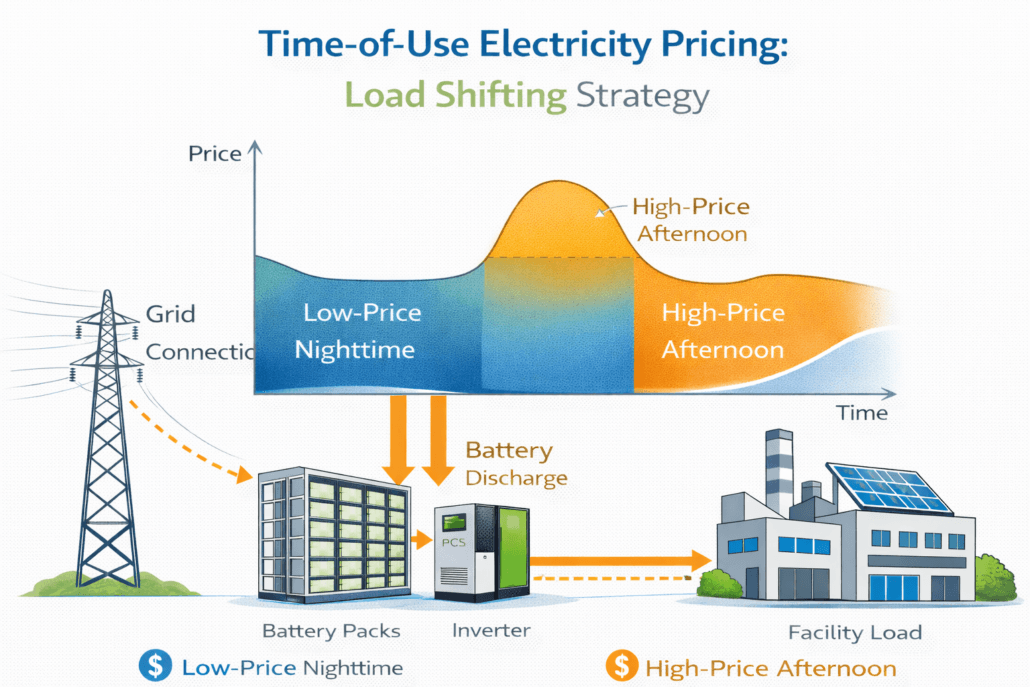
Load shifting moves electricity consumption to lower-cost off-peak periods.
Load shifting is an energy management strategy that moves electricity consumption from high-price periods to lower-price periods.
Unlike peak shaving, load shifting does not necessarily reduce total energy consumption. Instead, it changes when electricity is used.
Time-of-use electricity pricing encourages this behavior by charging different rates depending on the time of day.
Energy market analysis from the International Energy Agency shows that flexible demand strategies like load shifting play an important role in modern electricity systems.
Examples of Load Shifting
Common load shifting strategies include:
Charging electric vehicles overnight
Running industrial processes during off-peak hours
Pre-cooling commercial buildings early in the day
Scheduling data processing tasks overnight
By shifting energy usage to cheaper periods, businesses can significantly reduce electricity costs.
📊 Peak Shaving vs Load Shifting Calculator
Estimate potential monthly utility tariff savings for both commercial battery applications.
Peak shaving and load shifting are essential tools for modern energy management.
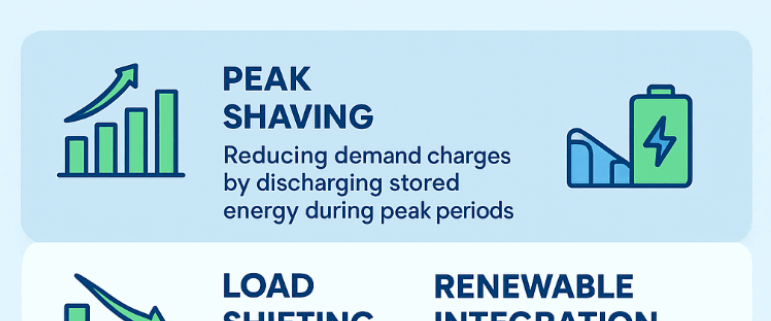
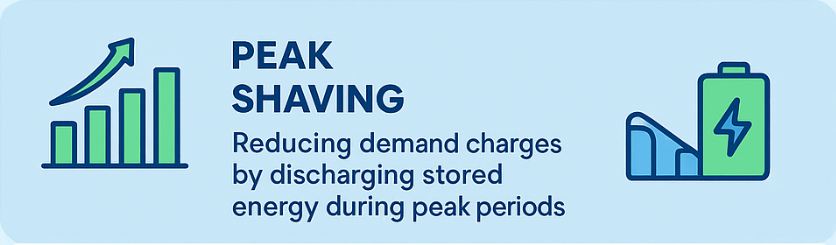
Peak shaving reduces electricity demand during high-load periods to avoid costly demand charges.
Load shifting moves electricity consumption to lower-cost periods.
Together, these strategies help businesses:
Reduce electricity costs
Improve grid stability
Optimize renewable energy usage
Increase energy efficiency
With the growing adoption of battery energy storage systems, organizations can implement both strategies effectively and create more resilient energy systems.
Peak Shaving vs Load Shifting FAQ
What is peak shaving in energy management?
Peak shaving is the process of reducing electricity demand during the highest consumption periods. Businesses typically use battery energy storage systems or on-site generation to supply electricity during peak hours and avoid demand charges.
What is load shifting in electricity systems?
Load shifting is an energy management strategy that moves electricity consumption from high-cost peak periods to lower-cost off-peak hours.
What is the difference between peak shaving and load shifting?
Peak shaving reduces electricity demand during peak hours, while load shifting changes when electricity is consumed to take advantage of lower electricity prices.
Can battery energy storage systems perform both peak shaving and load shifting?
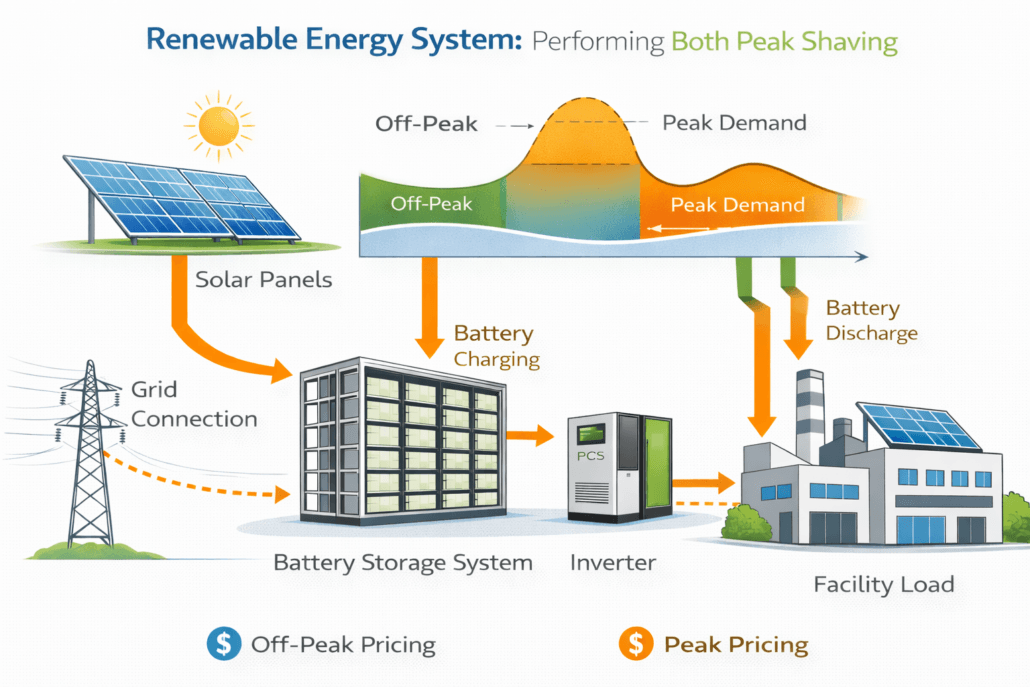
Yes. Battery energy storage systems can charge during off-peak periods and discharge during peak demand, enabling both strategies.
Why do utilities charge demand charges?
Utilities charge demand charges to encourage customers to reduce peak electricity demand and maintain grid stability.
Peak shaving with a battery energy storage system typically cuts demand charges by 20–40%. That range depends on two things: your load profile, and your local utility’s tariff structure. So what does this look like in dollars? For a commercial site paying $15/kW in demand charges with a 500 kW peak, that’s often $1,500–$3,000 in monthly savings. In other words, a mid-size BESS can pay for itself in 4–7 years, even before you add other revenue streams on top.
This guide walks through exactly how those savings are calculated. First, we’ll cover what drives the range up or down. Then, we’ll work through a real example you can adapt to your own utility bill. If you’re new to the concept itself, start with our full peak shaving vs. load shifting guide — this page focuses specifically on the dollars.
How Demand Charges Work
Most commercial and industrial tariffs bill two separate components. First, energy charges (¢/kWh) are based on total consumption. Second, demand charges ($/kW) are based on your single highest usage spike in the billing period, usually measured over a 15- or 30-minute window. As a result, demand charges can account for 30–70% of a commercial electric bill. Unlike energy charges, one short spike sets the rate for the entire month, regardless of how briefly it occurred. For a deeper look at how utilities structure these rates, the EIA’s guide to electricity pricing factors is a useful primer. For the full mechanics of how demand is measured and billed for BESS applications specifically, see our complete peak shaving guide.
How Much Can Peak Shaving Actually Save?
Savings scale with two factors: how “peaky” your load is, and how aggressive your local demand charge rate is. Specifically, sites with a high peak-to-average ratio see the largest percentage reduction. Why? Because a BESS only needs to shave the top of the curve, not carry the full load.
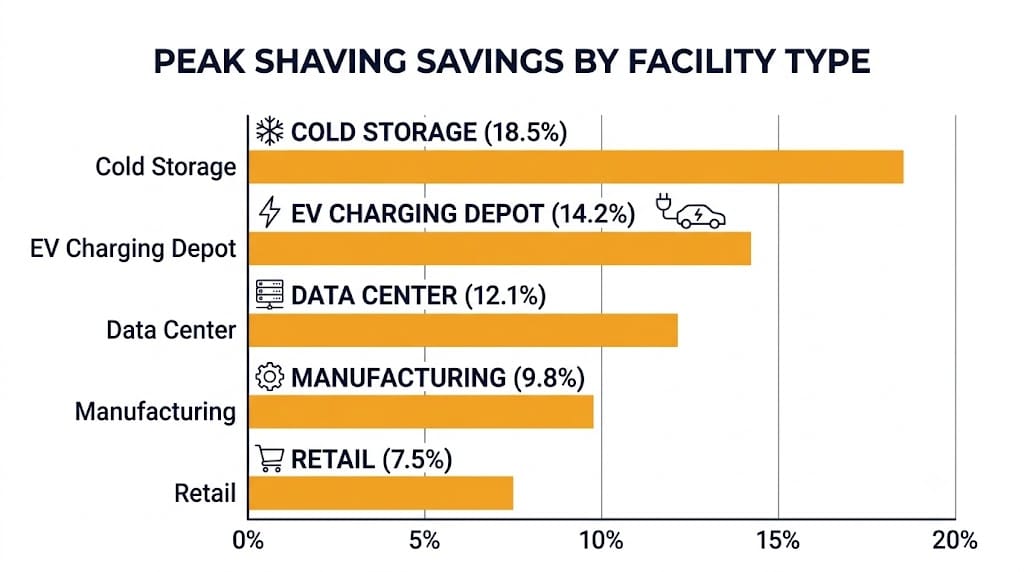
Facility Type
Typical Peak-to-Average Ratio
Typical Demand Charge Reduction
Retail / light commercial
1.3 – 1.6x
15–25%
Manufacturing (batch processes)
1.8 – 2.5x
30–45%
Data center / server room
1.1 – 1.3x
10–15%
EV charging depot
2.5 – 4x+
40–60%
Cold storage / refrigeration
1.6 – 2.2x
25–35%
Manufacturing and EV charging sites tend to see the largest savings. That’s because their load spikes are sharp, short, and predictable — exactly the profile a BESS handles best. Data centers, on the other hand, run a comparatively flat load around the clock. Consequently, there’s simply less peak to shave.
Worked Example: Calculating Your Peak Shaving Savings
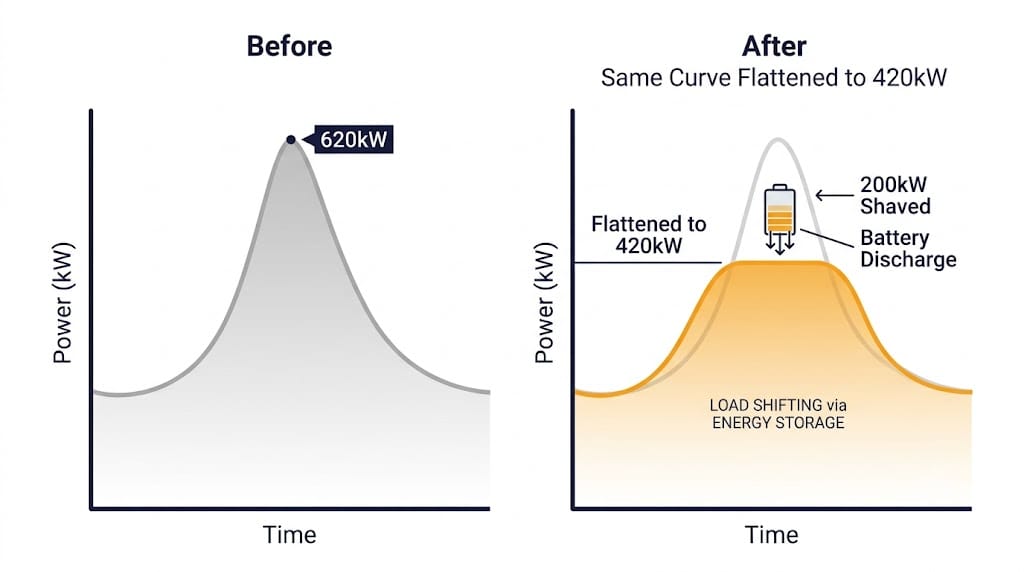
Here’s how that plays out for a manufacturing site on a typical tariff. First, the site starts with a 620 kW peak demand and a $14.50/kW demand charge rate. Next, a 200 kW BESS shaves the peak down to 420 kW. As a result, the monthly savings come to 200 kW × $14.50 = $2,900. Over a year, that’s $34,800 in demand charge savings alone.
It’s worth noting this example doesn’t include energy arbitrage — charging during off-peak rates and discharging during on-peak ones. Nor does it include any grid services revenue. Both stack on top of pure demand charge savings; see our energy arbitrage guide for that math.
Payback Period and ROI
Payback period depends on three things: system cost per kWh, financing structure, and how many revenue streams the BESS is stacking. As a rough guide, here’s what demand-charge-only paybacks typically look like:
BESS Size
Typical Installed Cost
Monthly Savings (demand only)
Simple Payback
100 kWh / 50 kW
$35,000 – $50,000
$700 – $1,000
4 – 6 years
400 kWh / 200 kW
$140,000 – $190,000
$2,500 – $3,200
4.5 – 6.5 years
1 MWh / 500 kW
$320,000 – $420,000
$6,000 – $8,500
4 – 5.5 years
Installed cost ranges reflect LFP BESS pricing; see our BESS cost per kWh breakdown for the full cost model.
Layering in energy arbitrage or frequency regulation typically shortens payback by 20–35%, compared to demand-charge-only savings. For the full revenue-stacking model, see our C&I BESS economics guide.
What Affects Your Specific Savings
Utility tariff structure. Flat demand rates and time-of-use (TOU) demand rates produce very different math. As a result, TOU sites often see larger savings, since their peaks align with the highest-priced windows. You can check your own utility’s rate structure using the DOE’s Utility Rate Database.
Load profile predictability. Predictable, repeating peaks — like manufacturing shifts or EV charging schedules — are easier to shave accurately than erratic, one-off spikes.
Battery sizing accuracy. An undersized BESS shaves less of the peak than needed. Conversely, an oversized one adds unnecessary capital cost without proportional savings. For this reason, proper sizing requires 12 months of interval data, not a single bill.
Existing power factor correction. Sites without PF correction sometimes see apparent demand charge inflation that a BESS alone won’t fully resolve.
Ratchet clauses. Some utilities set your demand charge based on the highest peak in the past 11–12 months, not just the current month. Therefore, this changes the payback calculation, and usually favors more aggressive peak shaving.
Frequently Asked Questions
How much does peak shaving save on electricity bills?
Most sites see 20–40% reductions in demand charges, which typically make up 30–70% of the total bill. However, actual savings depend on your peak-to-average load ratio and local demand charge rate.
What size battery do I need for peak shaving?
Size the power rating (kW) to your target peak reduction, and the energy capacity (kWh) to cover your typical peak duration — usually 1–3 hours for commercial sites. That said, a proper sizing study needs 12 months of 15-minute interval data.
Is peak shaving worth it for small commercial sites?
It depends. Sites with demand charges above $10/kW and a peak-to-average ratio over 1.5x generally see paybacks under 6 years. On the other hand, flatter-load sites — like most data centers — see smaller percentage savings.
Does peak shaving pay back faster with revenue stacking?
Yes. Adding energy arbitrage or grid services typically cuts payback by 20–35%, since the same battery capacity earns value in multiple ways across the day.
Next Steps
Ready to model your own savings? Start by pulling 12 months of interval data from your utility bill. Then, use our BESS cost per kWh guide to estimate installed cost, and apply the formula above to project payback. For the broader strategic picture, including how peak shaving compares to load shifting, see our complete peak shaving vs. load shifting guide.
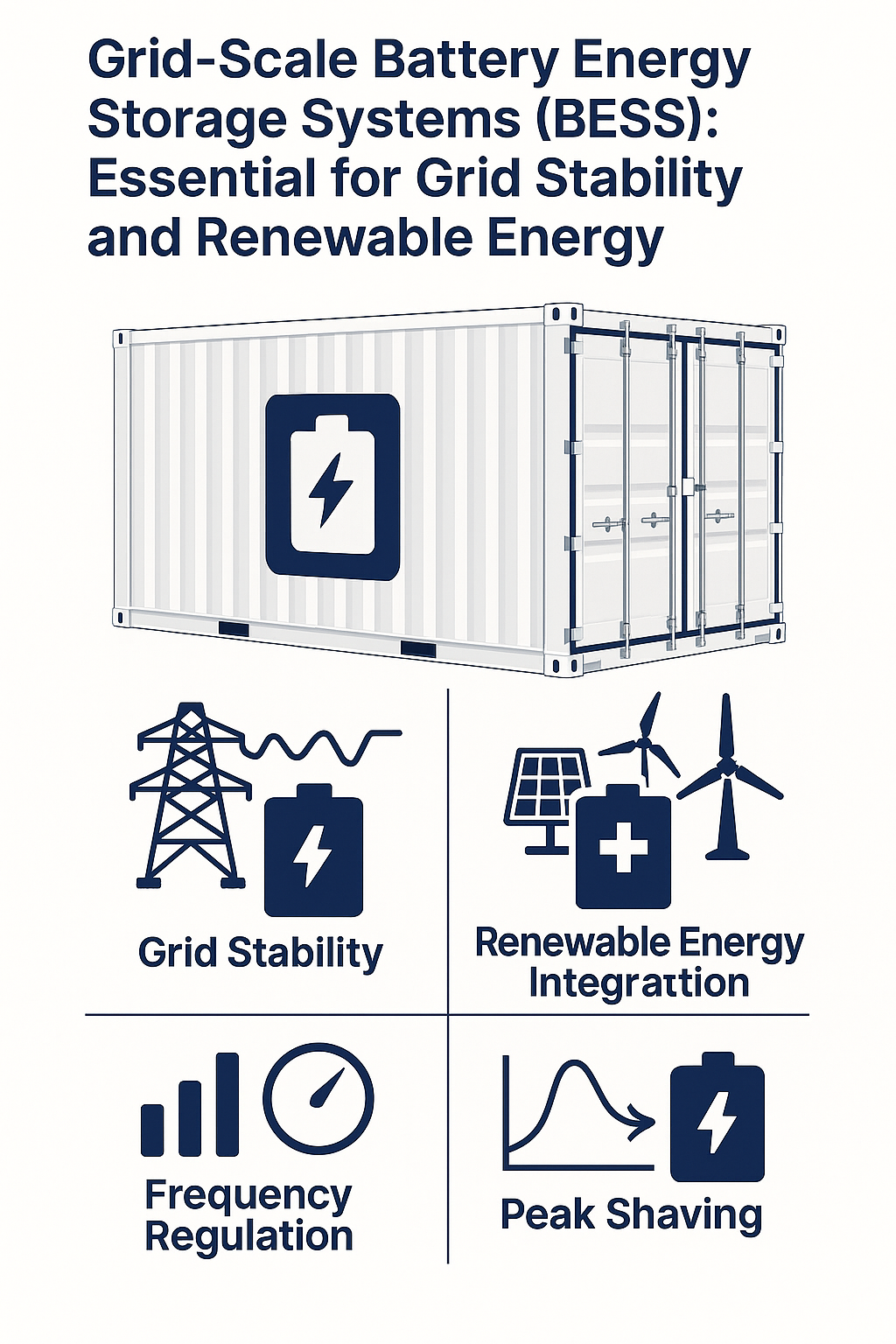
As the world moves toward clean energy, Grid-Scale BESS (Battery Energy Storage Systems) are becoming more important than ever. These systems are not just about storing energy—they are essential tools for stabilizing the grid, making better use of solar and wind power, and helping energy providers meet demand in smarter ways.
What is Grid-Scale BESS?
A Grid-Scale BESS is a large battery system connected to the power grid. It stores electricity when it’s not needed and delivers it when it is. Think of it like a giant power bank for the electricity grid. These systems can support cities, towns, or even entire regions.
Why is Grid Stability Important?
Grid stability means keeping the power system running smoothly without major ups and downs. Without stability, power outages, voltage drops, or frequency swings can happen.
Grid-scale BESS helps by:
Balancing supply and demand in real-time
Providing frequency regulation to keep the system steady
Supporting areas during peak shaving (when demand spikes)
Renewable Energy Integration: Solar + Storage, Wind + Storage
Renewables like solar and wind are clean, but they don’t always produce power when we need it. The sun doesn’t shine at night, and wind isn’t always blowing.
That’s where Battery Energy Storage comes in:
With Solar + Storage, energy from the sun can be used even after sunset.
With Wind + Storage, extra power generated at night or during windy hours can be saved for later.
This renewable energy integration helps us use more green power and less fossil fuel.
Ancillary Services: Invisible but Vital
Grid operators need backup support services to keep everything running. These are called ancillary services, and BESS can provide many of them, such as:
All over the world, countries are investing in large-scale BESS projects:
In the U.S., utility-scale battery farms are now part of the grid
In China and Europe, massive energy storage plants are under construction
Even remote areas are turning to BESS for backup and renewable power
This shows that BESS is not just a future idea—it’s happening now.
Microgrids and Distributed Energy Resources (DERs)
Microgrids are small, local power systems that can work with or without the main grid. They often include Distributed Energy Resources (DERs) like rooftop solar, small wind turbines, and local BESS.
With a grid-scale or community battery:
Microgrids can stay online during blackouts
Communities gain energy independence
Clean energy gets used more efficiently
This is especially helpful in remote villages, islands, and disaster-prone areas.
Project Financing: Making It All Possible
One challenge in building BESS systems is project financing. These systems need a lot of money upfront, but they offer long-term savings and benefits.
Today, more banks, governments, and private investors are seeing the value of:
Clean, stable power
Reduced fuel and operating costs
Lower carbon emissions
With the right policies and funding, BESS projects are becoming more affordable and widespread.